


NucleusLinks Launches Product Feeds to Close Affiliate Commerce Data Gap
Chicago, August 14, 2026: NucleusLinks, the affiliate marketing software platform built within the Affinity ecosystem, today announced the launch of Product Feeds, a product data infrastructure layer designed to help affiliate publishers standardize, enrich, and activate merchant data at scale.
Affinity expands its business in Germany and opens an office in Paris
Affinity is significantly expanding its business in the DACH region. Through its platform mCanvas, a leading provider of high-impact mobile and CTV advertising experiences, the company is filling several key roles at its Berlin location. With the opening of a new office in Paris, Affinity is also accelerating its European expansion.
Affinity Joins AdCP as Founding Member to Bring Enterprise Native Supply into Advertising’s AI Future
Press Release Share this Affinity Joins AdCP as Founding Member to Bring Enterprise Native Supply into Advertising’s AI Future Affinity to contribute towards agentic standards
TCL FFalcon Partners with Affinity to Offer Programmatic Ad Access Across its Smart TV Ecosystem in 160+ Countries
Press Release Share this TCL FFalcon Partners with Affinity to Offer Programmatic Ad Access Across its Smart TV Ecosystem in 160+ Countries New York, 7th
Affinity acquires Affilizz
Press Release Share this Affinity acquires Affilizz to strengthen AI-powered affiliate monetization worldwide French company Affilizz, known popularly for its AI-driven shopping widgets that power

Affinity Global Named AdTech of the Year at the Advertising Awards Asia-Pacific 2026
Affinity Global won the Grand Prix for AdTech of the Year at the inaugural Advertising Awards Asia-Pacific, taking five trophies for campaigns across Indonesia, Singapore and Malaysia.
Affinity Wins 10 Awards at The Great Indian BFSI & Fintech Awards 2026
mCanvas and VEVE won ten awards between them at the 6th edition of The Great Indian BFSI & Fintech Awards, across campaign and individual categories for India’s leading BFSI brands.

mCanvas Wins Three Awards at the Connected TV Asia Awards 2026
mCanvas has won two Gold and one Bronze at the Connected TV Asia Awards 2026, India’s only awards dedicated to Connected TV advertising, for campaigns with Sebamed, Dr. Fixit and LIC.
mCanvas Wins Four Awards at the DIGIXX Summit & Awards 2026
mCanvas won one Gold, two Silver and one Bronze at the 10th edition of Adgully’s DIGIXX Summit & Awards, for campaigns across India and Thailand.
Affinity Wins 10 Awards at the MOBEXX Summit & Awards 2026
mCanvas and VEVE won ten awards between them at the 9th MOBEXX Summit & Awards in New Delhi, recognising campaign work across India, Indonesia and Singapore.
NucleusLinks Wins Best Publisher Monetization Tool at the ASW Partnership Week Awards 2026
NucleusLinks has been named Best Publisher Monetization Tool at the 2026 ASW Partnership Week Awards in Las Vegas, recognising its AI-powered approach to automating affiliate operations for publishers.

Is Commerce Media Advertising’s Next Performance Channel?
Commerce media is rewriting digital advertising combining first-party data and closed-loop measurement in marketing campaigns. Here is what marketers and publishers need to understand in 2026.

Your Layout, Your Rules: How Affinity Helps Publishers Monetize Without Disruption
Monetization is a team sport, and to succeed, you need the right players on your side, working together. For digital publishers today – whether you’re an internet browser, utility app, OEM, or a niche content platform, the challenge isn’t about content quality. It’s about monetization. More specifically: how do you scale premium brand demand globally, without building a complex and costly in-house sales team?
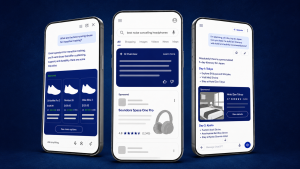
Are We The Last Generation Of Search Marketers?
For decades, search marketing was built around that behaviour. But that behaviour is starting to change. AI is shifting search from a list of links to a more conversational experience.
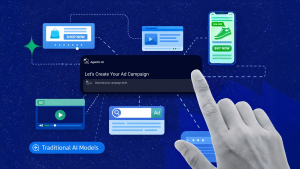
Agentic AI Will Redefine Advertising – Context Will Make It Work
Advertising is entering a new era where competitive advantage will come not from more data, but from better context. As AI systems evolve from passive tools into autonomous decision-makers, they are giving rise to agentic AI, systems that can automate and unify advertising channels and how decisions are made across them.
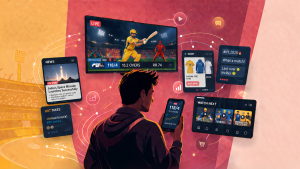
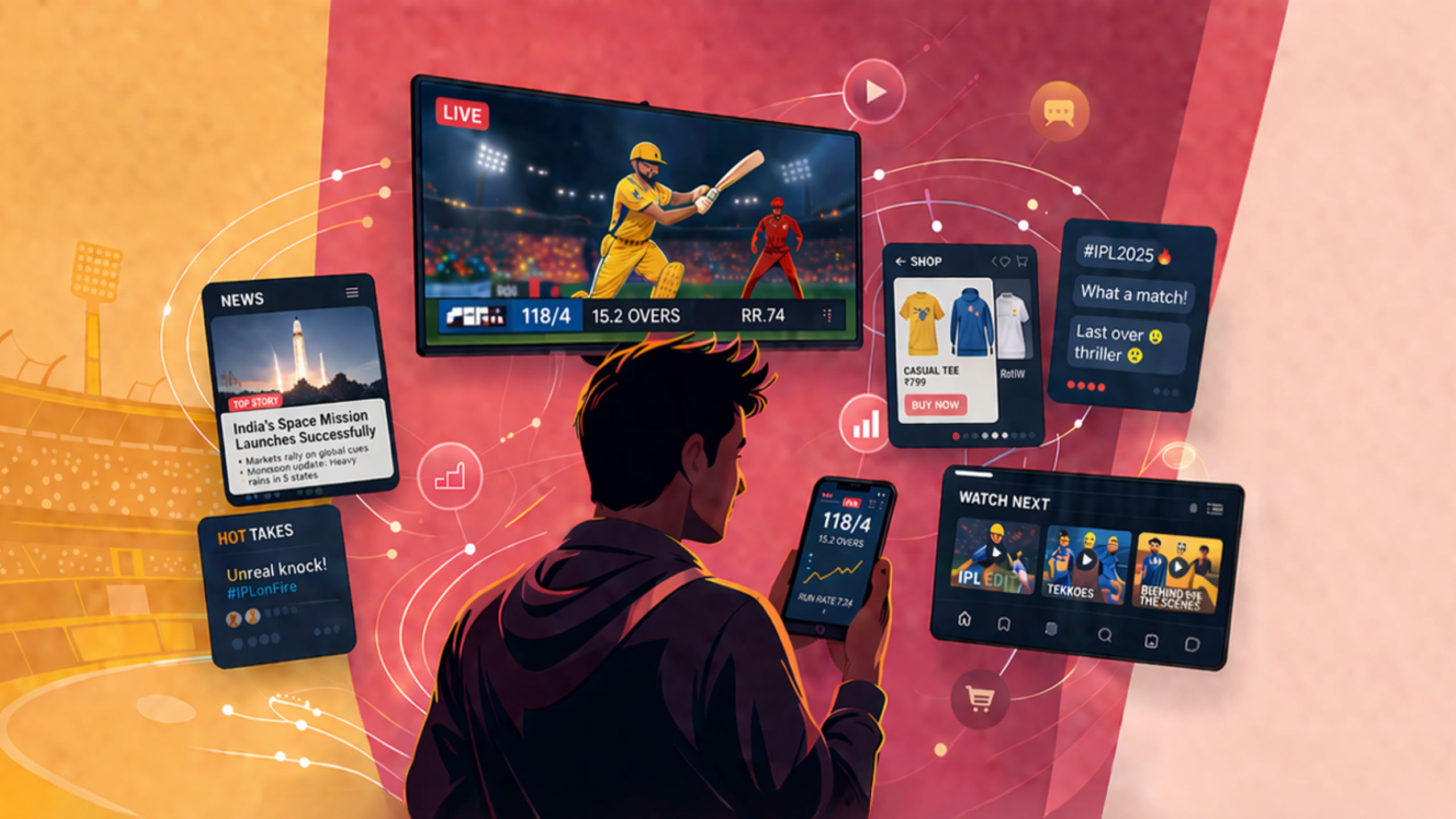
Rethinking IPL Advertising: From single-screen reach to multi-screen relevance
The Indian Premier League (IPL) has evolved into far more than a sporting event. For brands, IPL represents one of the most valuable opportunities to connect with audiences at scale. However, something fundamental has changed in recent years; IPL is no longer a single screen experience.

How to Scale Global Brand Demand without Building an In-house Sales Team
Monetization is a team sport, and to succeed, you need the right players on your side, working together. For digital publishers today – whether you’re an internet browser, utility app, OEM, or a niche content platform, the challenge isn’t about content quality. It’s about monetization. More specifically: how do you scale premium brand demand globally, without building a complex and costly in-house sales team?
One Response